
Book Review: Working Effectively With Legacy Code

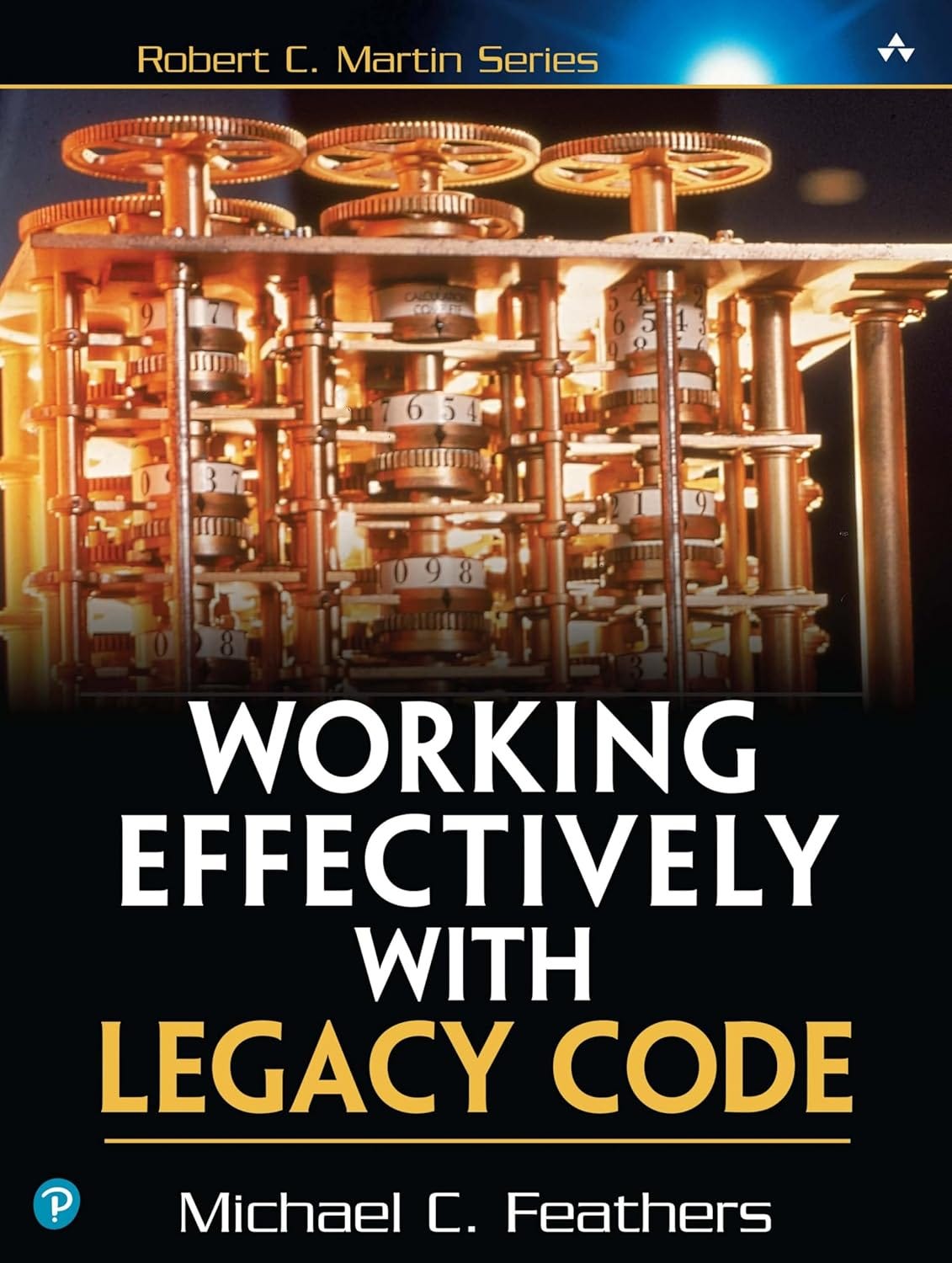
Working Effectively with Legacy Code (Robert C. Martin Series), written by Michael Feathers in 2004, is not a new book, but it is still extremely relevant.
If you work with legacy systems, this book can save you time, reduce stress, and help you avoid serious problems.
What Can We Do with Code?
Michael Feathers explains that there are four types of changes we usually make in a system:
Bug fixes
Adding new features
Refactoring the code structure
Optimization
When fixing bugs, we adjust existing behavior.
When adding features, we introduce new behavior.
When refactoring, we change the internal structure of the code.
When optimizing, we improve resource usage, similar to refactoring, but focused on performance.
Refactoring and optimization must preserve the same behavior. If behavior changes unintentionally, we introduce bugs.
And this is where the real challenge begins: how can we modify legacy code safely?
Two Ways to Change Code
According to the book, there are two common approaches:
Pray and Cover
This is probably the most common approach. You make the change carefully, run manual tests, and hope nothing breaks.
It feels fast, but it is risky.
Cover and Modify
This is the safer approach. Before changing the code, you add tests that protect the current behavior. Then you modify the code with confidence.
This idea connects directly to one of the most powerful lessons in the book.
Two Powerful Lessons
Here are two key ideas from the book:
“Dependency is one of the most critical problems in software development. Much legacy code work involves breaking dependencies so that change can be easier.”
Much of legacy work is about breaking dependencies so that change becomes easier and safer.
“Legacy code is simply code without tests.”
This idea changes everything. Legacy is not about age, it is about safety. If code has no tests, modifying it becomes risky.
Conclusion
This book teaches practical techniques to safely modify legacy systems while minimizing the risk of introducing bugs. It shows why tests are essential and how to add them even when the code was not designed for testing.
If you work with legacy systems, this book is highly recommended.
And now I’m curious:
📚 What is one book that has helped you grow as a developer? Share it in the comments.
If you enjoyed this review, subscribe to the newsletter and share it with someone dealing with legacy code 🚀